
If you’ve ever noticed skin that looks thin, wrinkled, droopy, or finely textured—almost like crepe paper—you’re not alone. Crepey skin is a common concern, especially as we get older. And it can appear even in people who otherwise take good care of their skin.
The good news? While thinning skin and wrinkles are part of the natural aging process, there are effective ways to improve your skin’s appearance and even slow down the signs of aging before they become noticeable.
Let’s take a closer look at what crepey skin is, why it happens, and how at-home care and MedSpa treatments can help.
What Is Crepey Skin?
Crepey skin is skin that has become thin, loose, and finely wrinkled, giving it a delicate, papery appearance. Unlike deeper wrinkles, crepey skin often looks more like a change in texture than a single line or fold.
It can also be more delicate, resulting in easier tearing and more noticeable bruising.
This more vulnerable skin most commonly appears on areas where the skin is naturally thinner, including:
- Under the eyes,
- Arms (especially above the elbows),
- Neck,
- Chest,
- Inner thighs,
- And even the knees.
Crepey skin can develop gradually, sometimes catching people by surprise when they notice it in certain lighting or when the skin is stretched.
What Does Crepey Skin Look Like?
Crepey skin typically looks:
- Thin or fragile,
- Looser than the surrounding skin,
- Finely wrinkled or crinkled,
- Less smooth and less firm,
- And dull or dehydrated
Some people also notice more visible veins (such as spider veins) and hyperpigmentation around thinning skin.
Depending on the affected area, it may not be evident until you pinch or move the skin, or when moisturizing doesn’t seem to “sink in” the way it used to.
What Causes Crepey Skin?
Crepey skin usually develops due to a combination of aging and external factors.
Natural Aging
As we age, our bodies naturally produce less collagen and elastin, two proteins that give skin its structure and elasticity. Hormone changes, such as those that occur during perimenopause, exacerbate these decreases. Over time, skin becomes thinner, making changes in texture more noticeable.
Sun Exposure
Long-term sun exposure is one of the biggest contributors to premature aging and skin vulnerability. UV rays break down collagen and elastin, speeding up visible skin aging even years later.
Dryness and Dehydration
Dry skin tends to look thinner and more textured. As oil production slows with age, dryness increases, the skin barrier becomes compromised, and crepey skin becomes more visible.
Weight Fluctuations
Significant weight loss or repeated weight changes can stretch the skin and reduce its ability to bounce back, contributing to looseness and crepey texture.
Lifestyle Factors
Smoking, poor nutrition, lack of sleep, and chronic stress can all impact skin health and accelerate premature aging.

How to Care for Aging Skin at Home
While at-home care won’t completely reverse crepey skin, the right routine can significantly improve how it looks and feels.
Focus on Hydration:
Look for moisturizers containing ingredients such as hyaluronic acid, glycerin, ceramides, and shea butter. These ingredients deliver a powerful moisturizing punch while strengthening the skin barrier, keeping more moisture in the deeper layers where you need it.
Apply moisturizer in the morning and at night to clean, slightly damp skin, helping lock in hydration.
Gentle Cleansing:
Avoid harsh soaps or over-exfoliating, which can further thin and dry the skin and potentially even damage it. Gentle, hydrating, pH-balanced cleansers are best.
Sun Protection:
Daily sunscreen is essential, even on areas like the neck, chest, and arms. Sun protection helps prevent further collagen breakdown.
Targeted Ingredients:
Products containing retinol, peptides, and antioxidants stimulate cellular turnover and collagen production, supporting smoother-looking and healthier skin over time when used consistently and appropriately.
MedSpa Treatments That Improve Crepey Skin
MedSpa treatments can go beyond surface hydration by stimulating collagen production, improving texture, and helping skin look firmer and healthier from the deeper layers.
Depending on the area and severity of thinning skin, treatments may include:
IPL Photofacial — Helps improve skin tone and overall skin quality by addressing sun damage that contributes to thinning and texture changes.
Sublime Skin Tightening — Uses infrared light and radiofrequency energy to gently stimulate collagen production, improving firmness and elasticity over time.
Sublative Skin Resurfacing — Targets texture concerns by encouraging skin renewal and collagen remodeling, making skin appear smoother and more refined.
Microchanneling — Promotes cellular regeneration and collagen production while improving the effectiveness of skincare products. For more noticeable cases, Microneedling may be even better. While it can be more irritating and take longer to recover from, it promotes a deeper level of collagen production.
Dermal Filler — Restore volume in loose and sagging skin for a smoother, more youthful appearance. Most fillers also contain natural ingredients, such as hyaluronic acid, that promote production.
Professional Skin Care — Medical-grade skincare products recommended by your provider can significantly enhance and maintain treatment results.
A consultation helps determine which options are most appropriate for your skin type, goals, and comfort level.
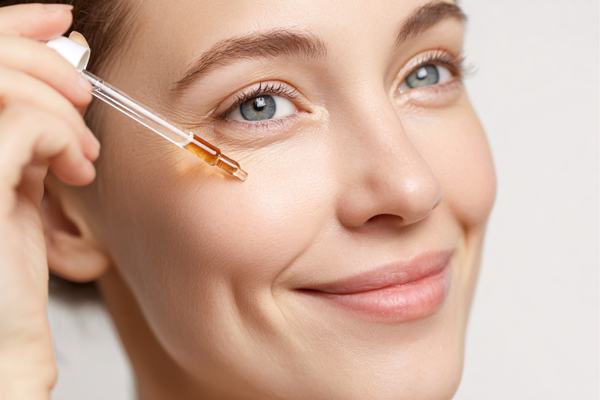
Preventing Crepey Skin Before It Starts
If you’ve looked at one or both of your parents and noticed looser, more wrinkled skin, most noticeably around their eyes, chances are that it will probably happen to you too. One of the many factors that affect how your skin ages is genetics.
Fortunately, whether crepey skin is not yet visible or is just beginning, early care can make a meaningful difference.
Preventative steps include:
- Wearing sunscreen daily and avoiding tanning beds,
- Moisturizing consistently,
- Using collagen-supporting skincare early,
- Never smoking,
- Eating a balanced, nutrient-rich diet,
- And scheduling regular “prejuvenating” skin treatments before concerns become advanced.
Think of prevention as long-term skin maintenance rather than a quick fix.
A Gentle Reminder
Crepey skin is incredibly common and completely natural. While treatments can improve its appearance, the goal isn’t perfection—it’s healthier, more comfortable, and more protected skin that you feel confident in.
If you’re concerned about aging or prematurely aging skin or want to explore preventive options, a free MedSpa consultation can help you understand what’s happening with your skin and which steps make sense for you.