
If you’ve started noticing darker patches, redness, sun spots, or areas that just don’t match the rest of your face, you’re not alone. Uneven skin tone is one of the most common concerns we see, especially in women over 35.
The good news? In most cases, uneven skin tone is very treatable. And with the right care, you can restore a brighter, more balanced complexion.
Let’s talk about why it happens — and what you can do about it.
What Is Uneven Skin Tone?
Uneven skin tone simply means that the color of your skin isn’t consistent. Instead of one smooth, balanced shade, you may notice:
- Dark spots or sun spots
- Patchy discoloration
- Redness around the nose or cheeks
- Blotchy areas
- Brown or grayish patches
- Dullness in certain areas
For many women in their 40s, 50s, and beyond, this change seems to appear “all at once.” In reality, it usually builds up slowly over time.
Uneven Skin Tone vs. Uneven Texture
While the two may go hand in hand, they are two separate issues.
- Skin tone refers to color differences.
- Skin texture refers to how smooth or rough your skin feels.
You can have smooth skin that’s uneven in color. Or you can have an even tone but a rough texture.
But with certain skin conditions, such as rosacea, you can have both.
Many MedSpa treatments address both uneven skin tone and texture issues, but the approach may vary depending on your primary concern.
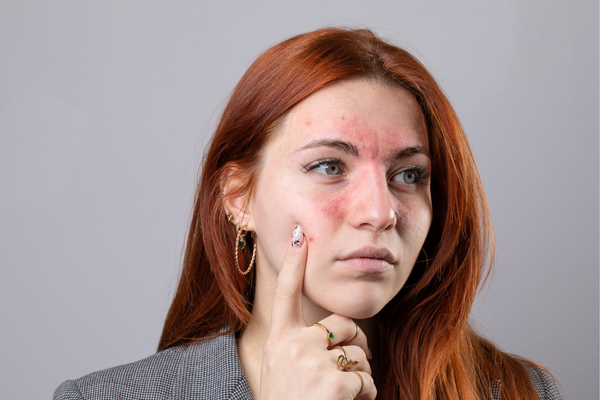
What Causes Uneven Skin Tone?
Several factors can contribute to uneven skin tone.
1. Sun Exposure
Damaging UV rays are the biggest cause of uneven skin tone. Repeated sun exposure triggers your skin to produce extra pigment (melanin), which can lead to sun spots, age spots, and freckles that darken over time.
Even small amounts of daily sun exposure — driving, walking, sitting by a window — add up over the years.
2. Hormonal Changes
Hormones play a powerful role in pigmentation. During pregnancy, perimenopause, menopause, and while taking birth control, some people notice darker patches, especially on the cheeks or upper lip. This benign but frustrating condition, often called melasma, may persist long after your hormones rebalance.
3. Post-Inflammatory Hyperpigmentation
After acne, rashes, or skin irritation, your skin may leave behind dark marks. This side effect is common in adult acne and can linger long after breakouts are gone.
4. Aging Skin
As we age:
- Cellular turnover slows down,
- Collagen production decreases,
- And pigment (primarily melanin) becomes less evenly distributed.
These slowly developing processes make discoloration more noticeable and slower to fade over the years.
Does Uneven Skin Tone Get Worse With Age?
It can, especially without protection.
Over time, sun damage accumulates beneath the surface. Many women are surprised when pigmentation seems to “suddenly” appear in their 40s or 50s. Often, that damage has been building for decades.
Fortunately, a Visia Skin Analysis scan can detect sun spots and other issues before they are visible to the naked eye. Knowing where your skin health is today helps providers build a more targeted treatment and prevention plan for you.
The earlier you begin protecting and treating your skin, the easier it is to maintain an even tone.
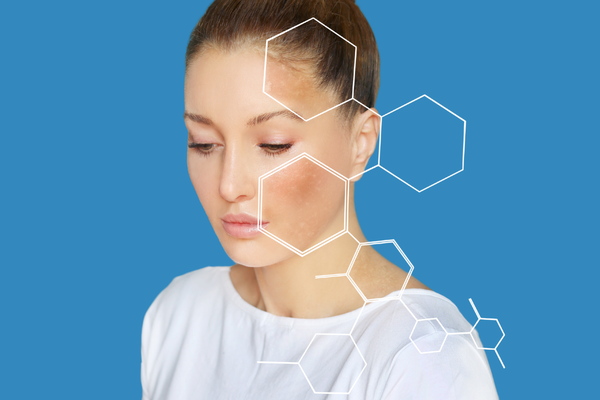
Can Uneven Skin Tone Be Prevented?
While you can’t stop the natural and beautiful aging process, you can take steps to maintain healthy, even skin tone and texture for much longer.
Here’s what helps most:
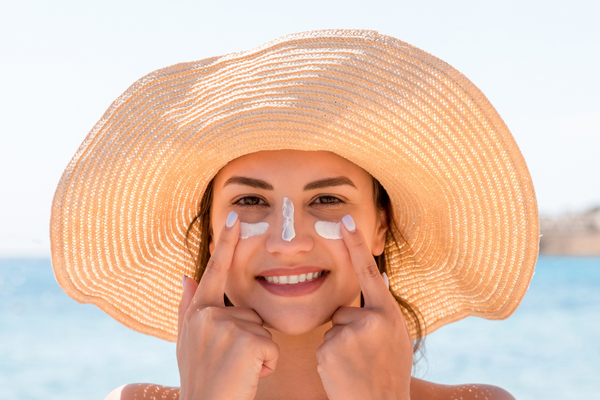
- Wear sunscreen (SPF 30 or higher) every day, even on cloudy days or those spent mostly indoors. And remember to use an ample amount and reapply as needed!
- Wear large-brimmed hats when outdoors.
- Avoid spending time in the sun during peak hours, typically from 10 am-4 pm.
- Treat acne correctly (no picking or popping!) and early to prevent dark marks and scars.
- Use gentle skincare and proper exfoliation to avoid irritation.
- Apply the appropriate serums and moisturizers for your age, skin type, and needs. Be sure to include antioxidants that protect against premature aging caused by UV rays and pollution.
- Eat a nutrient-rich diet that promotes healthier, well-protected skin, collagen production, and cellular turnover. Some nutrients to be mindful of include Vitamins A, C, and E, Omega-3 fatty acids, and B Vitamins.
Consistency matters more than perfection, especially when it comes to a skincare routine.
Products That Help With Uneven Skin Tone
A good at-home routine can make a noticeable difference.
Look for products that contain:
Vitamin C — Helps brighten skin and protect against environmental damage.
Retinol — Encourages faster cellular turnover and improves pigment irregularities over time.
Niacinamide — Supports skin barrier health and helps reduce redness and blotchiness.
Azelaic acid — A powerful, natural ingredient that reduces blood vessel size, improves and prevents dark spots, and treats clogged pores. This is an especially helpful product if your skin tone issue is due to rosacea.
Gentle Chemical Exfoliants — Alpha-hydroxy acids (AHAs) or beta-hydroxy acids (BHAs) help remove dull, pigmented surface cells.
Professional-grade skincare often delivers stronger, more consistent results than some over-the-counter products. We’re always happy to guide you toward options that match your skin type.
MedSpa Treatments That Correct Uneven Skin Tone
For deeper or more stubborn discoloration, in-office treatments can significantly speed up results.
IPL Photofacial — IPL (Intense Pulsed Light) targets excess pigment and redness using controlled light energy. It’s especially effective for:
- Sun spots
- Age spots
- Redness
- Broken capillaries
Many patients notice brighter, clearer skin after just a few sessions.
Sublative Skin Resurfacing — Sublative treatments stimulate collagen production while improving pigmentation irregularities. This is an excellent option if you’re dealing with both uneven tone and early signs of aging.
HydraFacial — HydraFacials gently exfoliate and infuse the skin with brightening serums. They’re a great option for maintenance and for refreshing dull, uneven skin.
Chemical Peel — Chemical peels remove damaged outer layers of skin, helping fade dark spots and reveal a more even complexion underneath.
Microdermabrasion — Microderm “sands away” the top layer of skin, providing great exfoliation and promoting smoother, more even skin without the waiting and peeling period of a chemical peel.
LED Light Therapy — For a completely noninvasive, safe, and effective treatment for almost all skin types and conditions, LED Light Therapy can help reverse and prevent less severe skin tone issues over time.
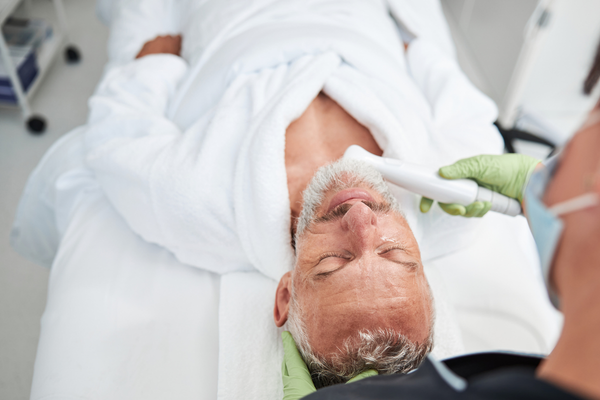
When Should You See a Professional?
If discoloration:
- Changes rapidly,
- Becomes raised or textured,
- Has irregular borders,
- Looks very different from your other spots,
It’s important to have it evaluated by a dermatologist or healthcare professional. They have the diagnostic tools needed to rule out serious or chronic conditions, such as skin cancer or psoriasis.
For cosmetic pigmentation concerns, a MedSpa consultation can help determine the safest and most effective treatment plan for your skin type and goals.
Frequently Asked Questions About Uneven Skin Tone
How long does it take to correct uneven skin tone?
Mild cases may improve in a few weeks with consistent skincare. Deeper pigmentation can take several months and may require professional treatments.
Does sunscreen really make a difference?
Yes. Without daily sunscreen, treatments and brightening products won’t work as effectively — and pigmentation may return and worsen.
Are laser or light treatments safe?
When performed by trained professionals and tailored to your skin type, they are generally safe and effective.
Will uneven skin tone come back?
It can if you aren’t consistent with sun protection and maintenance. Protecting your results is just as important as achieving them.
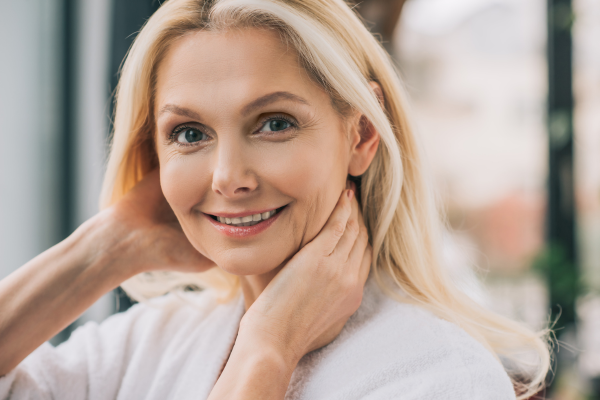
You Don’t Have to “Just Live With” Uneven Skin Tone
Uneven skin tone is incredibly common, especially here in Texas, where sun exposure is a part of daily life. But that doesn’t mean you have to accept it as permanent.
With the right combination of protection, skincare, and professional treatments, you can restore brightness, balance, and confidence in your skin. If you’re unsure which option is right for you, we’re here to help. Schedule a consultation, which includes a free Visia facial scan, and let’s create a plan that helps your skin look as healthy and even as it feels.